
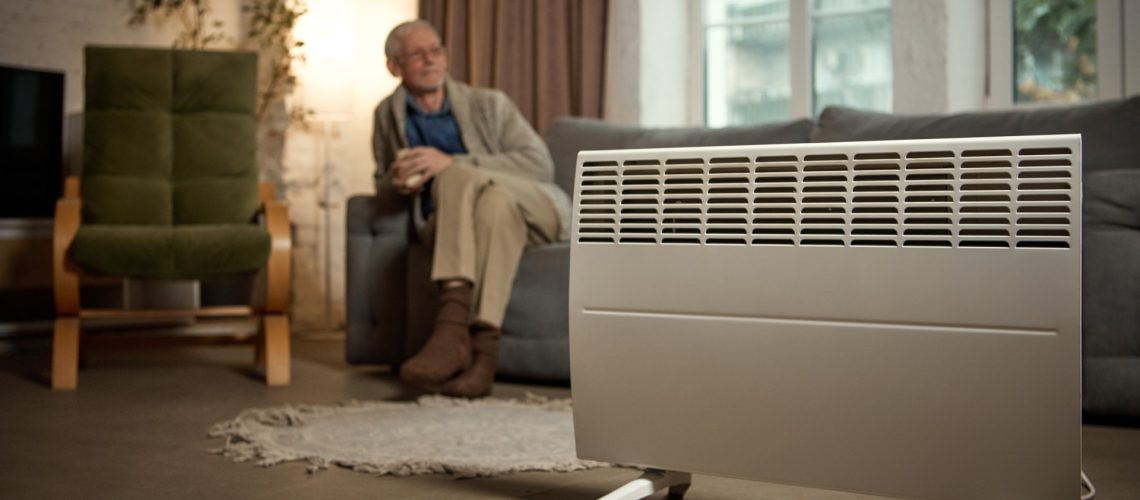
When you think about heat-related health risks, summer is probably the first season that comes to mind. However, older adults can be affected by heat and dehydration year-round, even during the winter months. Indoor heating, dry air, and seasonal travel can all increase the risk of heat-related stress, often without families realizing it. Understanding these risks can help families better protect their loved ones throughout the year.
Here is a closer look at heat safety for seniors in the winter months.
Why Heat Can Still Be a Risk in Winter
During colder months, homes and buildings rely heavily on indoor heating systems. While heat is essential for comfort, very warm indoor spaces combined with low humidity can contribute to dehydration. Seniors may not feel as thirsty as they do in the hotter seasons, which means they may not drink enough water, even when their body needs it.
Visiting family or traveling during winter often means exposure to warmer climates or consistently heated indoor spaces. These rapid temperature changes can be challenging for some older adults, particularly those with chronic health concerns or medications that influence hydration levels or body temperature.
Signs of Heat-Related Stress to Watch For
Heat-related stress can still occur in winter, usually in very warm indoor spaces. Common signs to look for include fatigue, dizziness, headaches, dry skin, confusion, or reduced urination. These symptoms can be subtle and are sometimes mistaken for other health issues, making it important to pay attention to any noticeable changes in behavior or physical condition.
Family members should check in regularly with older loved ones and watch closely for signs that suggest they may be overheated, especially during periods of extended indoor heating or after travel.
Maintaining a Comfortable Indoor Environment
Keeping indoor spaces at a safe and comfortable temperature is key. Avoid overheating rooms, ensure proper ventilation, and consider using a humidifier to counteract dry air. Dressing in light, breathable layers allow seniors to adjust their comfort level throughout the day without becoming overheated. Along with temperature regulation, maintaining hydration is essential. Encourage regular fluid intake and include hydrating foods, such as soups, fruits, and vegetables, to help support proper hydration during colder months.
How Senior Living Supports Year-Round Safety
Heat safety is a year-round concern. By staying mindful of indoor temperatures, encouraging proper hydration, and planning carefully around seasonal travel, families can help older adults remain safe and comfortable, even during the winter months. At Country Place Senior Living, we support resident safety and comfort in every season.
Learn more about how Country Place Senior Living supports safety and comfort year-round. Schedule a visit to see if it’s the right fit for you or your loved one.